


I’ve always liked Mondays, and now I like them even more, because I get to set aside a few minutes from the professional whirlwind to sit down with you and share ideas and news about the technology, software and innovation we’re so passionate about. In fact, today I’m going to let you in on a little secret: our first steps toward creating a new business model that has a lot to do with business automation and robotics.
But I won’t ramble on, since I’m busy and so are you. I’ll get straight to the point and start delivering on what I promised you last Monday… Remember?
Our first steps toward creating a new business model
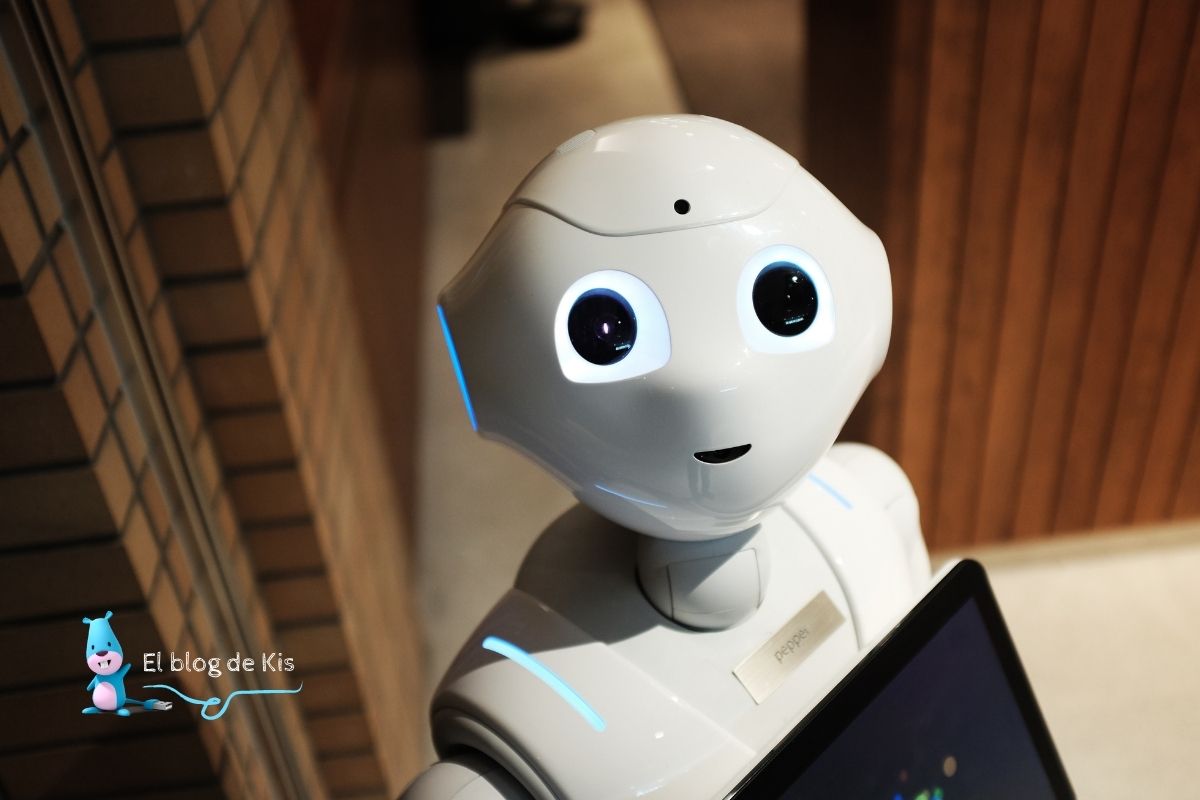
So, straight to the point… We have a new teammate in the office!
His name is Alatz and we’re tremendously excited because he’s here to “shake up” the RPA Department and to push our commitment to business automation and robotics forward.
No rush, take it easy. The Boss says that “Rome wasn’t built in a day” and he has a point, since we sometimes get a little carried away by excitement. But Alatz is already tinkering, testing things, researching and contributing ideas alongside the rest of the team, and I’m sure we’re going to do some really, really cool things.
A business model based on RPA, Machine Learning, AI…
You see, whenever we hear concepts like robotics, Artificial Intelligence or Machine Learning, we instinctively turn our heads toward the big multinationals. We assume these are huge, impressive solutions and advances, but only within reach of a few because of the sheer financial scale of this kind of project.
That’s why we’ve declared ourselves rebels and want to democratize these kinds of services, because the real problem of digitalization lies in small and medium-sized businesses.
Our goal is to create a business model that delivers a lot of value and is also financially affordable, so that it can serve a multitude of companies without requiring enormous, prohibitive investments.
Why do we want to commit to business automation and robotics?
If you think about it, we almost always use the ERP to carry out the same tasks and queries. We lose many hours on work that could perfectly well be automated and handled by a bot in seconds, freeing us from that burden and leaving us more productive time for other goals.
For example, imagine an accountant who every day “goes round the banks” and starts reconciling one charge after another…
A slow, tedious task that adds little value, right?
Now imagine a bot handling the automation of bank statements in just a few minutes and without errors…
What if the bot learned to key in all the invoices in your ERP?

Would you like us to keep showing you how we’re progressing?
And this is just a small example of the many applications business automation and robotics have in our internal operations.
These applications aren’t coming to replace the human factor, mind you, but to support it and free it from what we don’t actually enjoy doing.
Do you understand now why I get so excited watching Alatz and the rest of my colleagues research this kind of solution?
The challenge ahead of us is huge, but also exciting, and it’s great to see the small milestones we achieve along the way, because they encourage us to keep going and do more.
I’ve been thinking… What if, in the coming articles, I show you some of that progress?
It’s true that the project is still very green and hasn’t even reached beta stage, but I also promised you that I wouldn’t stop at the results and that I’d show you the process too, so I’m going to keep my promise.
Count on it!
After this dreadful 2020…
And to say goodbye, allow me a little bit of “company pride”. In the current economic climate, and after the dreadful 2020 that we’re about to finish, Binovo continues to grow, create jobs and bring on new profiles like Alatz, who come to add value and help build new, innovative and distinctive service models. That’s great news and another reason to be excited.
Anyway, I’m heading back to work since they’re already calling for me… Good thing I’m just a mascot!
And remember, see you next Monday at 12:00.